
Our 2025–2026 Season!
A New Beginning!
Thank you to our incredible community for making Ensemble Monterey’s 2025–2026 season, A New Beginning, so meaningful and memorable.
From sold-out performances to generous donations and enthusiastic support both in person and online, this season was made possible by you. Together, we experienced a remarkable journey—from timeless masterworks by Bach, Mozart, and Schubert to the vibrant voices of Britten, Prokofiev, Pärt, and contemporary composers, along with exciting premieres and rediscovered gems.
Across four programs—Fresh Voices, Long-Awaited Favorites, Romantic Ideals, and Shimmering Strings—we celebrated the beauty, depth, and joy of chamber music.
We are deeply grateful for your support and look forward to sharing more music with you in the seasons ahead.
We are excited to shine a spotlight on the extraordinary musicians who bring this program to life. They are at the heart of everything we do, and we are proud to celebrate them. Enjoy our featured musician collages, and take a moment to get to know the artists behind the sound:
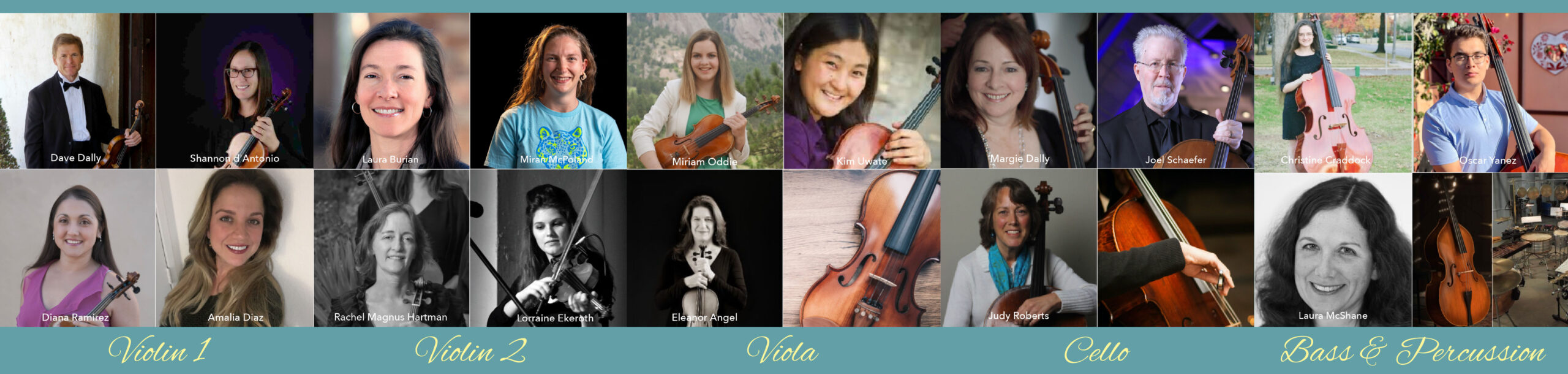
Violin I – David Dally • Shannon d’Antonio • Diana Ramirez • Amalia Diaz
Violin II – Laura Burian • Miran McPoland • Rachel Magnus Hartman • Lorraine Ekeroth
Viola – Miriam Oddie • Kim Uwate • Eleanor Angel
Cello – Margie Dally • Joel Schaefer • Judy Roberts
Bass – Christine Craddock • Oscar Yanez
Percussion – Laura McShane
Led by the dynamic and insightful Alan Truong, this season finale features a stunning program spanning lush Romantic expression to meditative modernism, including works by Schönberg, Janáček, Pärt, and Coleridge-Taylor.
Take a look at two composers whose works shimmer with lyricism and character. Leoš Janáček’s Suite for Strings and Samuel Coleridge-Taylor’s 4 Novelletten, Op. 52.
Composer Spotlights
Leoš Janáček (1854–1928)
 Czech composer Leoš Janáček is celebrated for his distinctive voice—one that draws deeply from the rhythms and inflections of speech, as well as Moravian and other Slavic and Eastern European folk traditions.
Though much of his international recognition came later in life, his music stands apart for its breadth. His music conveys a keen sense of mood that can be very quiet, almost meditative, or it can be dramatic to the point of being explosive and everything in between.
Suite for Strings
Janáček’s Suite for Strings is an early work, yet it already reveals the composer’s gift for color. Structured in six movements, the suite blends elegance with a restless energy, moving between lyrical passages and moments of rhythmic vitality. While more rooted in Romantic tradition than his later works, the piece offers glimpses of the distinctive style that would come to define Janáček’s mature voice. The result is a work that is refined, sparkling, and lively.
Samuel Coleridge-Taylor (1875–1912)
 Samuel Coleridge-Taylor was a British composer, conductor, and violinist whose music was widely celebrated during his lifetime. Of mixed heritage, he achieved international acclaim at a young age and became especially known for works that draw on both European traditions and elements of the music of the African diaspora.
4 Novelletten, Op. 52
The 4 Novelletten are well-crafted miniatures for string orchestra and percussion. They offer an attractive parade of seemingly inexhaustible melodic invention. With graceful phrasing and engaging interplay between voices, the Four Novelettes are an example of Coleridge-Taylor’s complete mastery of late British Romanticism.
Take a closer look at Arnold Schönberg’s deeply expressive Verklärte Nacht and Arvo Pärt’s hauntingly beautiful Cantus in Memoriam Benjamin Britten. Though separated by time and musical language, these pieces speak to one another in powerful ways—exploring themes of transformation, memory, and profound emotional depth.
Composer Spotlights
Arnold Schönberg (1874–1951)
 Austrian composer Arnold Schönberg is widely regarded as one of the most influential figures in 20th-century music, best known for developing the twelve-tone method. His early works, however, are firmly rooted in the lush late-Romantic tradition of composers like Brahms and Wagner, emphasizing rich harmony, expressive melody, and dramatic storytelling.
Schönberg translates a deeply emotional narrative into music through a single continuous movement that unfolds almost like a tone poem without words, moving through distinct emotional landscapes that mirror the poem’s story—from tension and confession to understanding and radiant transformation.
Verklärte Nacht, Op. 4
One of his most celebrated early pieces, Verklärte Nacht (1899), was composed when Schönberg was just 25. Written before his turn to atonality, it showcases his command of Romantic lyricism and large-scale musical expression.
Inspired by a poem by Richard Dehmel, the work tells the story of a woman who confesses to her lover that she is carrying another man’s child. As they walk through a moonlit forest, the man responds with compassion, transforming shame into forgiveness and renewal. Schönberg captures this narrative in a single continuous movement, unfolding like a tone poem that moves from tension and confession to acceptance and emotional resolution.
At its premiere, the work was controversial for its advanced harmonic language, but today it is admired as one of the great chamber works of the era. Verklärte Nacht offers an intimate interplay of voices, gradually shifting from darkness to light in a deeply expressive and human musical journey.
Arvo Pärt (b. 1935)
 Estonian composer Arvo Pärt is known for his deeply spiritual, meditative music. He developed a distinctive style called tintinnabuli (from the Latin word for “little bells”), marked by simple harmonies, slow-moving lines, and a luminous clarity that invites reflection and stillness.
After early experimentation with avant-garde techniques, Pärt entered a period of creative silence in the late 1960s. Immersing himself in early sacred music, Gregorian chant, and Renaissance polyphony, he emerged with the spare, contemplative sound that defines his work today.
Cantus in Memoriam Benjamin Britten
One of Pärt’s most beloved works, Cantus in Memoriam Benjamin Britten, is a poignant tribute to the English composer Benjamin Britten. Though they never met, Pärt felt a deep artistic connection and was moved by Britten’s death in 1976.
Scored for string orchestra and a single tolling bell, the piece unfolds as a descending canon in A minor. The gradual layering of strings creates a deepening texture, while the bell evokes a solemn sense of remembrance.
Lasting just six minutes, the work carries remarkable emotional weight. Its quiet intensity and austere beauty create a powerful meditation on loss, reflection, and acceptance.
CONCERT 4
 We are overjoyed to welcome back Alan Truong to the podium for our season finale, Shimmering Strings! His energy, artistry, and passion for music bring a unique vitality to every performance.
The evening opens with Arnold Schönberg’s Verklärtenacht, Op. 4, an early and ravishingly romantic work inspired by a poem of love and forgiveness. This lush, early composition is still firmly rooted in late romanticism, but pushes the boundaries of harmonic richness, which leads to his mature and groundbreaking style.
Next, we’ll journey through Leos Janáček’s Suite for Strings, a colorful and episodic work that combines folk-inspired melodies with playful rhythms and striking harmonic contrasts.
Having begun our season with Sinfonietta by a young Benjamin Britten, we will present a reflective bookend in Arvo Pärts’s Cantus in Memoriam Benjamin Britten–a meditative homage. The work evokes stillness, reverence, and quiet beauty.
The concert concludes with Samuel Coleridge-Taylor’s Four Novelettes, Op. 52, a joyous and lively set of pieces brimming with melody, elegance, and playful charm—a fitting celebration to close the season.
CONCERT 3 — PROGRAM NOTES!
FRANZ SCHUBERT (1797–1828)
Piano Quintet in A Major, D. 667, “The Trout”
S chubert’s Piano Quintet in A Major is among the most beloved works in the chamber music repertoire. Overflowing with melody, warmth, and youthful exuberance, the quintet reflects his extraordinary gift for lyrical expression and his deep love of music-making among friends.
From its graceful opening to its sparkling, inventive variations and buoyant finale, the work radiates optimism and charm. Playful exchanges between the instruments, glowing harmonies, and a sense of effortless flow create music that feels both intimate and expansive. With its radiant imagination and irresistible spirit, this quintet continues to captivate audiences, leaving listeners uplifted and delighted.
CAROLINE SHAW (b. 1982)
I’ll Fly Away & Other Song for Voice and String Quartet
 Pulitzer Prize–winning composer Caroline Shaw adds a distinctive and deeply expressive voice to the program with I’ll Fly Away and Other Song. Celebrated for blending tradition with innovation, Shaw draws on folk influences, early music, and contemporary textures to create works that feel both grounded and beautifully current.
These intimate pieces reflect themes of longing, hope, and quiet contemplation. With transparent textures and nuanced vocal lines, Shaw creates music that feels personal and immediate. The result is a collection of moments that invite stillness, connection, and thoughtful listening.
JOHANN SEBASTIAN BACH (1685–1750)
Wedding Cantata
 Bach’s Wedding Cantata is a radiant celebration of love, joy, and commitment, written with the composer’s unmistakable blend of elegance and emotional depth. Like many of Bach’s vocal works, it was created for a specific occasion, yet its beauty and expressiveness transcend its ceremonial origins.
The cantata’s graceful melodies, lively rhythms, and expressive dialogue between voice and instruments—especially the oboe—highlight Bach’s mastery of musical storytelling. At once joyful and refined, this work offers a moment of Baroque splendor that feels both festive and profoundly human.
CONCERT 3 — OUR FEATURED ARTISTS
OUR FEATURED ARTISTS
Lori Schulman — Soprano
 Lori Schulman is a versatile lyric-coloratura soprano based in Santa Cruz, California, known for her expressive voice and engaging stage presence. A graduate of San Jose State University with a Bachelor of Music in Vocal Performance, she has performed leading roles in both opera and musical theater to critical acclaim. Her recent operatic credits include Adele in Die Fledermaus with the Santa Cruz Opera Project and Cunegonde in Candide at Cabrillo Stage. Schulman’s repertoire spans a wide range of styles, from Mozart and Strauss to contemporary works, and she is equally at home on the concert stage. As a frequent soloist in the Monterey Bay area, Lori has performed works such as Haydn’s Lord Nelson Mass, Stravinsky’s Pastorale, Handel’s Messiah, and Respighi’s Lauda per la Natività del Signore. In addition to her performing career, she is a dedicated voice teacher and co-founder of the Santa Cruz Opera Project, helping make opera accessible to all.
Peter Lemberg — Oboist
 Peter Lemberg is a distinguished Bay Area oboist with a long and varied career in orchestral and chamber music. He has served as Principal Oboe with the San Francisco Chamber Orchestra for over 20 years, the San Francisco Opera Center Orchestra for 30 years, and Ensemble Monterey Chamber Orchestra for nearly two decades. In addition to these principal positions, Peter has performed with the San Francisco Opera, Reno Philharmonic, West Bay Opera, Monterey and Santa Cruz symphonies, and the Carmel Bach Festival, on both modern and Baroque instruments. A sought-after soloist and chamber musician, he has appeared with ensembles such as the Palo Alto Chamber Orchestra and Stanford Woodwind Quintet. Peter holds a Bachelor of Music degree in Performance from San Francisco State University and is committed to community engagement and musical excellence both onstage and behind the scenes.
Lucy Faridany – Pianist
 Lucy Faridany is a highly regarded pianist on the Monterey Peninsula, known for her expressive artistry, refined technique, and collaborative spirit. She serves as collaborative pianist for Camerata Singers of Monterey County and performs regularly with Ensemble Monterey Chamber Orchestra. Lucy has also appeared multiple times with the Monterey Symphony Orchestra, including concerto performances such as Rhapsody in Blue and Mozart’s Rondo in D major, K. 382. An active chamber musician and solo artist, she brings depth and sensitivity to a wide-ranging repertoire across both classical and contemporary works. A dedicated educator, Lucy inspires students of all ages through thoughtful teaching and mentorship. She has also been the accompanist for the Unitarian Universalist Church of the Monterey Peninsula since 2007 and maintains a vibrant presence in the region’s musical life through performances, collaborations, and community engagement.
CONCERT 3 — ROMANTIC IDEALS!
Thank you to everyone who was able to join us for Concert 2! It was a fabulous evening, and we loved sharing those long-awaited favorites with such an enthusiastic and appreciative audience.
We’re delighted to invite you to our third concert of the season: Romantic Ideals!, an evening that travels across centuries of music, asks big questions, celebrates life, and has a little fun along the way.
From the elegance of the Baroque to the freshness of today’s most exciting composers, this program brings together beloved masterworks and wonderful guest artists for two unforgettable evenings.
The program features two evocative works by Pulitzer Prize–winning composer Caroline Shaw—I’ll Fly Away and Other Song—performed by area favorite Lori Schulman, soprano. These intimate, modern pieces reimagine tradition through a contemporary lens, offering music that is warm, expressive, and deeply human.
Schulman is joined by our own Peter Lemberg, oboe, for J.S. Bach’s Wedding Cantata, a radiant and joyful celebration filled with lyrical elegance and Baroque brilliance.
The evening also includes one of the most beloved chamber works ever written: Franz Schubert’s Piano Quintet in A Major, D. 667, “The Trout.” Overflowing with melody, optimism, and sheer joy, it remains a favorite with audiences and performers alike.

CONCERT 2 — CONCERT NOTES #2
One of the joys of chamber music is discovery — hearing a powerful musical voice anew, or encountering a familiar composer in an unexpected way. We invite you to learn a bit more about Ruth Gipps and Sergei Prokofiev!
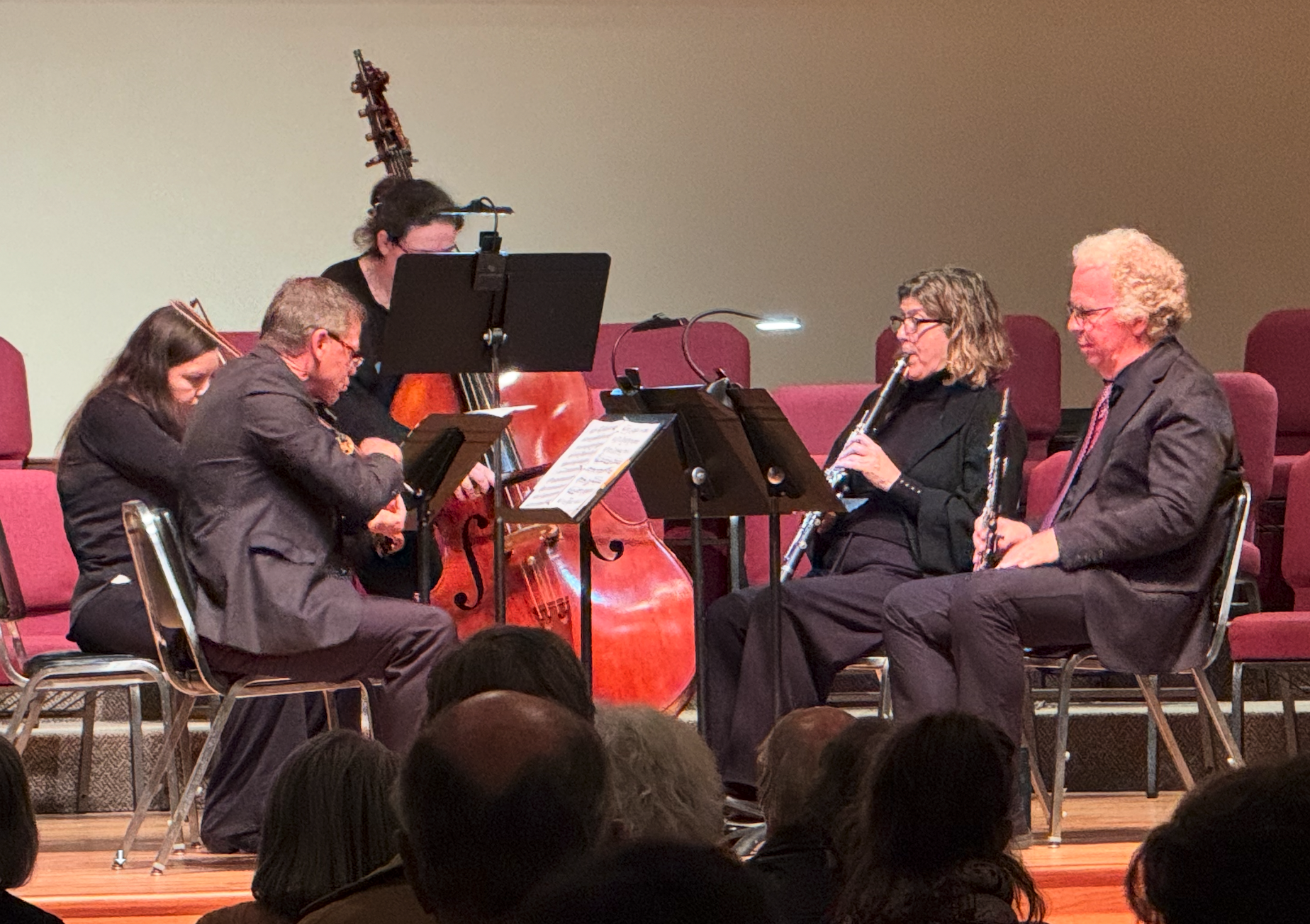
On Long-Awaited Favorites, we’re thrilled to share Ruth Gipps’s Quintet for Oboe, Clarinet, and String Trio, Op. 16, a richly expressive and beautifully crafted work by a British composer whose music is enjoying a long-overdue resurgence. Confident, colorful, and deeply musical, the quintet showcases Gipps’s remarkable command of chamber writing and her gift for emotional depth.
The program concludes with a true cornerstone of the repertoire: Sergei Prokofiev’s Quintet in G minor, Op. 39. Drawn from music originally written for the ballet Trapèze, this bold and unconventional work crackles with rhythmic energy, sharp contrasts, biting humor, and moments of haunting lyricism. It’s unmistakably Prokofiev — daring, vivid, and endlessly compelling.
Together, these works bring intensity, drama, and discovery to the second half of the program.
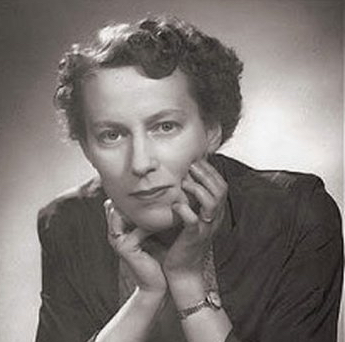
Composer Spotlight: Ruth “Wid” Gipps (1921–1999)
Ruth Gipps was an extraordinary English composer, conductor, pianist, oboist, and educator, celebrated for her richly colored, lyrical, and tonal music. A child prodigy, she performed her own compositions by age eight and became the youngest British woman to earn a doctorate in music, marking the start of a remarkable career.
Gipps composed across a wide range of genres, including five symphonies, seven concertos, and numerous chamber and choral works. Her orchestral music, often inspired by literary and visual art, was praised for its instrumental clarity and expressive depth. She founded the London Repertoire Orchestra and the professional Chanticleer Orchestra, championing new and overlooked works, and served as conductor and music director for the City of Birmingham Choir.
A committed educator, Gipps taught at Trinity College London and the Royal College of Music, and chaired the Composers’ Guild of Great Britain. In 1981, she was appointed MBE for her services to music. By turns bold, elegant, and heartfelt, Ruth Gipps’ music remains a testament to her distinctive voice and unwavering dedication to English musical tradition.
–
Ruth Gipps – Quintet for Oboe, Clarinet, and String Trio, Op. 16
Composed during her student years, Gipps’ Quintet, Op. 16, showcases her early mastery of chamber writing and her distinctive lyrical voice. Scored for oboe, clarinet, violin, viola, and cello, the work balances rich harmonic textures with agile, expressive lines.
The piece blends pastoral elegance with moments of dramatic intensity, reflecting the English tonal tradition while hinting at Gipps’ own emerging style. Each instrument is given a unique character, weaving together intricate dialogues that highlight both virtuosity and ensemble cohesion. The Quintet’s clear formal structures and warm, colorful sonorities demonstrate Gipps’ gift for crafting music that is both sophisticated and immediately engaging.
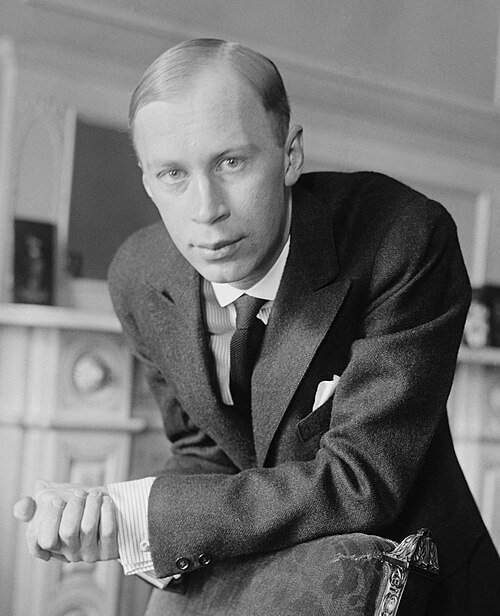
Composer Spotlight: Sergei Prokofiev (1891–1953)
Sergei Prokofiev was one of the towering musical figures of the 20th century—a Russian composer, pianist, and conductor whose music is celebrated for its bold rhythms, sharp wit, lyrical beauty, and striking originality. A child prodigy, he emerged from the Saint Petersburg Conservatory as an iconoclastic composer-pianist, quickly gaining notoriety for his daring harmonies and virtuosic style.
Prokofiev composed enduring masterpieces across nearly every genre, including seven symphonies, operas, ballets, concertos, chamber works, and some of the most beloved music of the modern era. His scores for Romeo and Juliet, Peter and the Wolf, Lieutenant Kijé, Alexander Nevsky, and The Love for Three Oranges remain staples of concert halls worldwide.
After years living and working in the United States and Western Europe following the Russian Revolution, Prokofiev returned to the Soviet Union in 1936, where he produced many of his most powerful and personal works, including the Fifth Symphony and the celebrated “War Sonatas.” Despite political challenges and declining health in his later years, his creative voice remained unmistakable.
By turns lyrical, biting, playful, and profound, Prokofiev’s music continues to captivate audiences with its emotional range and unmistakable modern voice.
–
Sergei Prokofiev: Quintet in G minor, Op. 39
Sergei Prokofiev’s Quintet in G minor, Op. 39 stands as one of the most distinctive works in the chamber music repertoire, marked by its rhythmic vitality, biting wit, and darkly expressive character. Originally conceived as music for a ballet, the quintet retains a strong sense of theatricality, with sharply etched contrasts, driving motor rhythms, and moments of sardonic humor set against passages of haunting lyricism. Prokofiev’s unmistakable voice emerges in the work’s bold harmonies and inventive instrumental textures, as each movement unfolds with dramatic momentum and striking individuality. At once restless, playful, and unsettling, the Quintet in G minor offers a compelling glimpse into Prokofiev’s modernist edge and his flair for vivid musical storytelling.
CONCERT 2 — CONCERT NOTES #1
Two of the works on Long-Awaited Favorites immediately draw listeners in — music that feels welcoming, engaging, and full of character from the very first moments. We are excited to share some more information and details about our first two composers!
The concert opens with Malcolm Arnold’s Oboe Quartet, Op. 61, a work brimming with wit, expressive lyricism, and unexpected turns. Arnold’s unmistakable voice shines here: playful one moment, deeply reflective the next, always allowing the oboe to sing while engaging in lively conversation with the strings.
The program also features Quartettino by Hungarian composer Rezső Kókai, a piece that radiates warmth and lyricism. Infused with folk-inspired melodies and elegant craftsmanship, it’s light on its feet, beautifully balanced, and endlessly charming — the kind of music that reminds us why we love chamber music.
These two works contribute to an evening that’s intimate, joyful, and full of discovery.
Composer Spotlight: Sir Malcolm Arnold (1921–2006)
Sir Malcolm Arnold was one of Britain’s most prolific and versatile composers, known for music that combines vivid orchestration, lively rhythms, and unforgettable melody. Over a remarkable career, he wrote across nearly every genre—including nine symphonies, concertos, chamber music, ballets, operas, and more than 100 film scores.
Originally a professional trumpet player and principal trumpet of the London Philharmonic Orchestra, Arnold brought a performer’s instinct directly into his writing. His music ranges from joyous and playful—such as his beloved sets of English, Scottish, and Irish Dances—to deeply personal and emotionally powerful works, especially in his symphonies.
Arnold’s film music made him internationally famous, earning him an Academy Award for The Bridge on the River Kwai, alongside scores for classics including Hobson’s Choice and the St Trinian’s films. Despite personal struggles later in life, his creative voice endured, and his reputation experienced a strong revival before his death.
Bold, tuneful, and unmistakably his own, Malcolm Arnold’s music continues to captivate performers and audiences alike.
–
Sir Malcolm Arnold: Oboe Quartet, Op. 61
Sir Malcolm Arnold’s Oboe Quartet, Op. 61 is a sparkling example of his gift for combining wit, lyricism, and emotional depth within a compact chamber work. Written in his characteristically tonal and highly expressive style, the quartet highlights the oboe’s warm, singing voice while engaging the strings in lively, conversational interplay. Moments of playful rhythmic energy give way to passages of tenderness and introspection, revealing the contrasting moods that Arnold weaves so naturally into his music. By turns charming and poignant, the Oboe Quartet captures the composer’s unmistakable voice—music that is immediately engaging on the surface, yet rich in color, character, and expressive nuance.
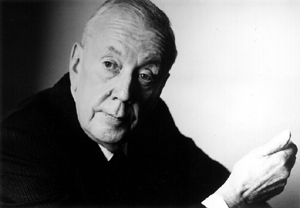
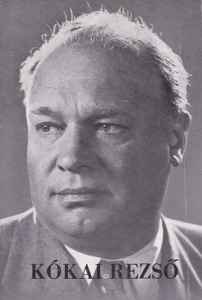
Composer Spotlight: Rezső Kókai (1906–1962)
Hungarian composer and musicologist Rezső Kókai was a central figure in 20th-century Hungarian musical life. Educated at the prestigious Franz Liszt Academy of Music, where he later taught composition, music history, and aesthetics, Kókai combined deep scholarship with a gift for lyrical, engaging writing.
He earned a PhD in musicology from the University of Freiburg for his research on Franz Liszt and went on to serve as Director of Music for Hungarian Radio in the postwar years. His contributions were recognized with the Ferenc Erkel Prize—Hungary’s highest musical honor—three times.
Kókai composed across a wide range of genres, from orchestral and chamber music to stage, film, and radio works. His music is celebrated for its warmth, craftsmanship, and expressive charm—qualities audiences continue to discover and love today.
–
Rezső Kókai: Quartettino
Rezső Kókai’s Quartettino is a charming and finely crafted chamber work that reflects the composer’s gift for clarity, lyricism, and balance. Modest in scale yet rich in character, the piece blends Hungarian musical warmth with a neoclassical elegance shaped by Kókai’s deep scholarly grounding. Graceful melodies pass conversationally among the instruments, supported by transparent textures and subtle rhythmic vitality. The Quartettino offers listeners an inviting glimpse into Kókai’s musical voice—one that values expressive charm and thoughtful craftsmanship over display, and rewards close, attentive listening.
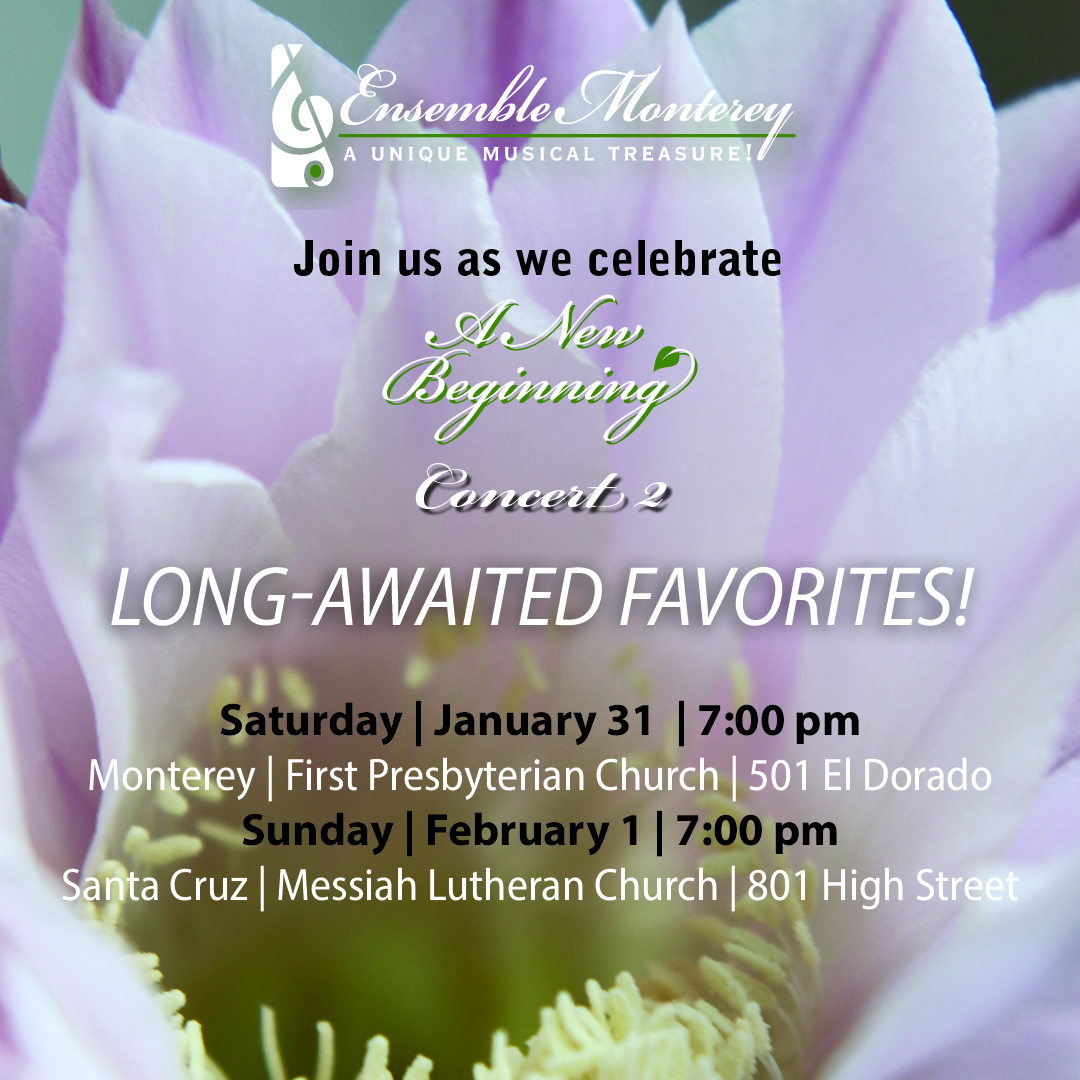
CONCERT 2 — LONG-AWAITED FAVORITES
Some pieces stay with musicians for years — music we love, return to often, and quietly hope we’ll one day get to share on stage.
Long-awaited Favorites, Concert 2 of our New Beginnings series, is exactly that kind of program.
Each work on this concert has been cherished by our musicians for a long time — admired for its beauty, originality, or emotional depth — yet rarely performed. This season, we finally get to bring these long-held favorites to life and share them with you.
The program opens with Malcolm Arnold’s Oboe Quartet, Op. 61, a delightful and expressive work filled with wit, warmth, and lyrical charm.
Next is Ruth Gipps’s Quintet for Oboe, Clarinet, and String Trio, Op. 16, a powerful and beautifully voiced work by a British composer whose music is enjoying a long-overdue resurgence. Richly expressive and confidently written, the quintet reveals a remarkable musical voice that deserves wider recognition.
We then turn to Quartettino by Hungarian composer Rezső Kókai, an exquisitely crafted piece that blends folk-inspired warmth with elegance and melodic grace.
The concert concludes with Sergei Prokofiev’s Quintet in G minor, Op. 39, one of the most compelling and unconventional chamber works of the 20th century. Drawn from music originally written for the ballet Trapèze, the quintet is bold, rhythmically charged, and unmistakably Prokofiev — full of sharp contrasts, biting humor, and moments of haunting lyricism.
From music that sparkles with wit and warmth to works of striking intensity and bold character, this program reflects what chamber music does best: intimate conversations, vivid storytelling, and moments that linger long after the final note.
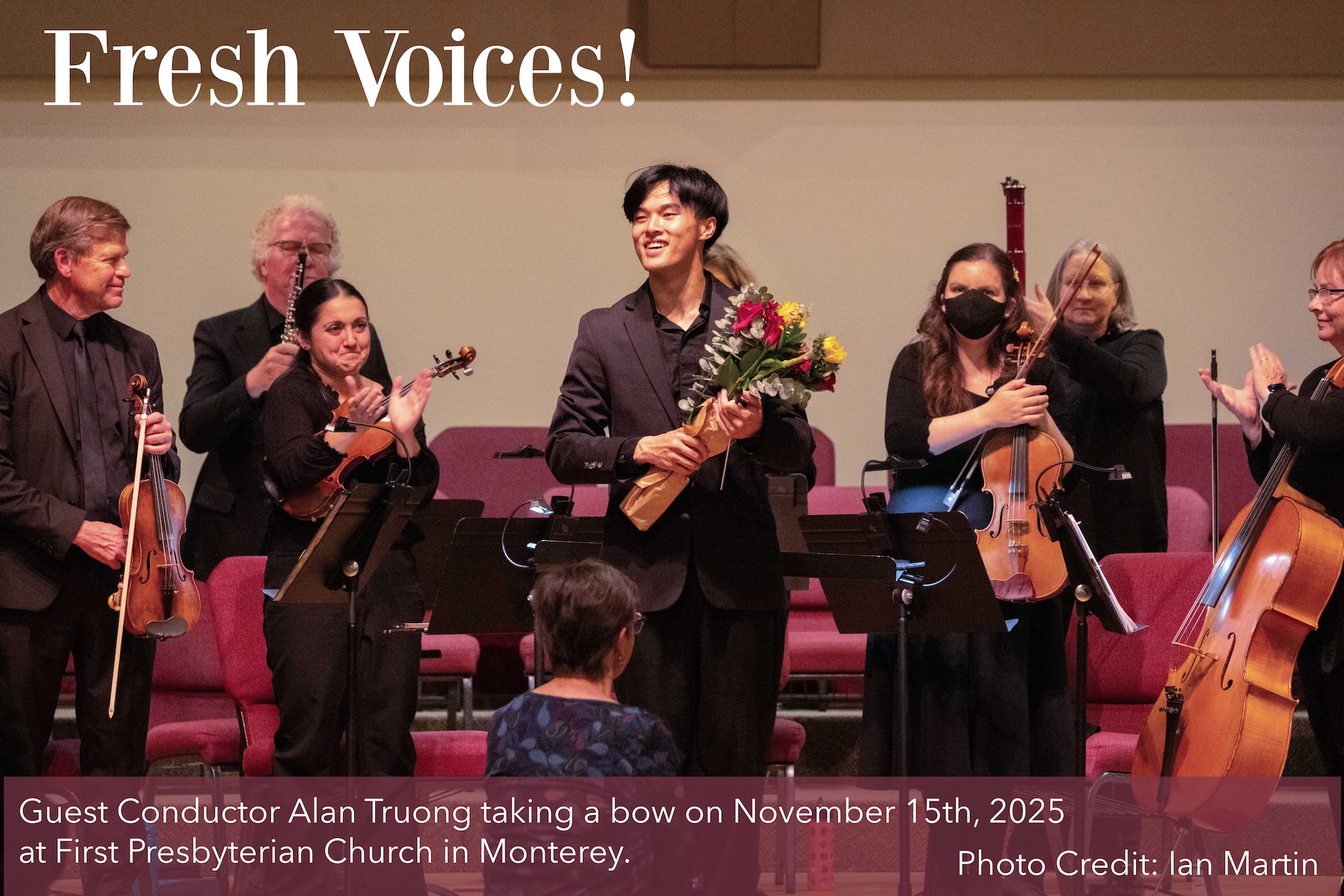
A big thank you to all who joined Ensemble Monterey for the first concert of our 2025–26 Season, Fresh Voices. We think our talented guest conductor, Alan Truong, did an incredibly marvelous job! We had a thoroughly enjoyable week of rehearsals and concerts together. It warmed my heart to see so many familiar faces out there. I was equally delighted at the many new faces in the audience. We hope you all enjoyed the show as much as we did and that you will return for the rest of the season!
Thanksgiving is my favorite holiday. A time to just gather and reflect upon what we are grateful for with people that we love. This year, I am adding you to my gratitude list. I am truly grateful for your presence at the concert and look forward to seeing you again.
Warmest wishes for a beautiful Thanksgiving!
Erica Horn
Board President
CONCERT 1 — CONCERT NOTES #2
We’re delighted to continue our behind-the-scenes series for the 2025–26 Concert Series with a closer look at Benjamin Britten and Gustav Helsted, two composers featured in our opening concert, A New Beginning. This week, we’ll share insights into Britten’s youthful Sinfonietta, Op. 1, and Helsted’s richly romantic Decet, Op. 18, exploring the textures, harmonies, and unique instrumentation that make these works so compelling.
BENJAMIN BRITTEN (1913–1976)
Sinfonietta, Op. 1 (1932)
Benjamin Britten composed his Sinfonietta while studying at the Royal College of Music in London. Written for ten instruments—five winds and five strings—and dedicated to his teacher Frank Bridge, the work already demonstrates the clarity, emotional depth, and formal sophistication that would mark Britten’s later compositions. Modeled on Schoenberg’s Chamber Symphony No. 1, the piece spans three continuous movements, beginning with a taut Allegro, followed by a meditative slow movement featuring a haunting violin duet, and closing with a lively Tarantella. Early rehearsals were notoriously challenging, with Britten recording in his diary, “I have never heard such an appalling row!” Yet the premiere in 1933 revealed his remarkable talent, with critics praising the work’s stimulating musical thought, constructive power, and technical skill.
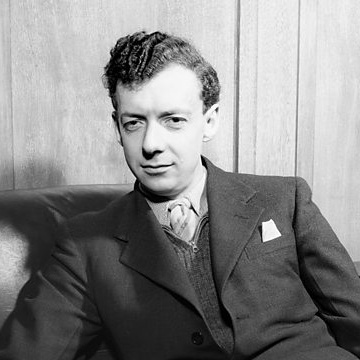
Benjamin Britten (1913–1976)
British composer, conductor, and pianist, Britten studied with Frank Bridge and became a leading figure in 20th-century music. He composed operas, orchestral, chamber, and choral works, including Sinfonietta, Op. 1, and co-founded the Aldeburgh Festival.
GUSTAV HELSTED (1857–1924)
Decet in D major, Opus 18
Gustav Helsted’s Decet, Op. 18 composed in 1891, is a late-Romantic chamber piece scored for wind quintet, string quartet, and double bass (flute, oboe, clarinet, bassoon, horn; 2 violins, viola, cello, and contrabass). Composed in 1891, the work unfolds in four movements (Allegro moderato; an Andante with seven variations in F♯ minor; a jaunty Scherzo, and a lively Finale) and typically runs about 35 minutes. Critics and commentators have long noted the piece’s adventurous position between intimate chamber textures and a more orchestral sound: its unusual combination of instruments creates shifting timbral groupings—sometimes evoking a full chamber orchestra, at others a smaller ensemble or trio. Its harmonic language, particularly striking to Danish audiences around the turn of the 20th century, was considered forward-looking in its time. Modern recordings, such as the 2016 Dacapo release by the Danish Sinfonietta, have helped bring the Decet back into focus, with reviewers now praising it as charming, richly romantic, and deserving of wider recognition and performance.
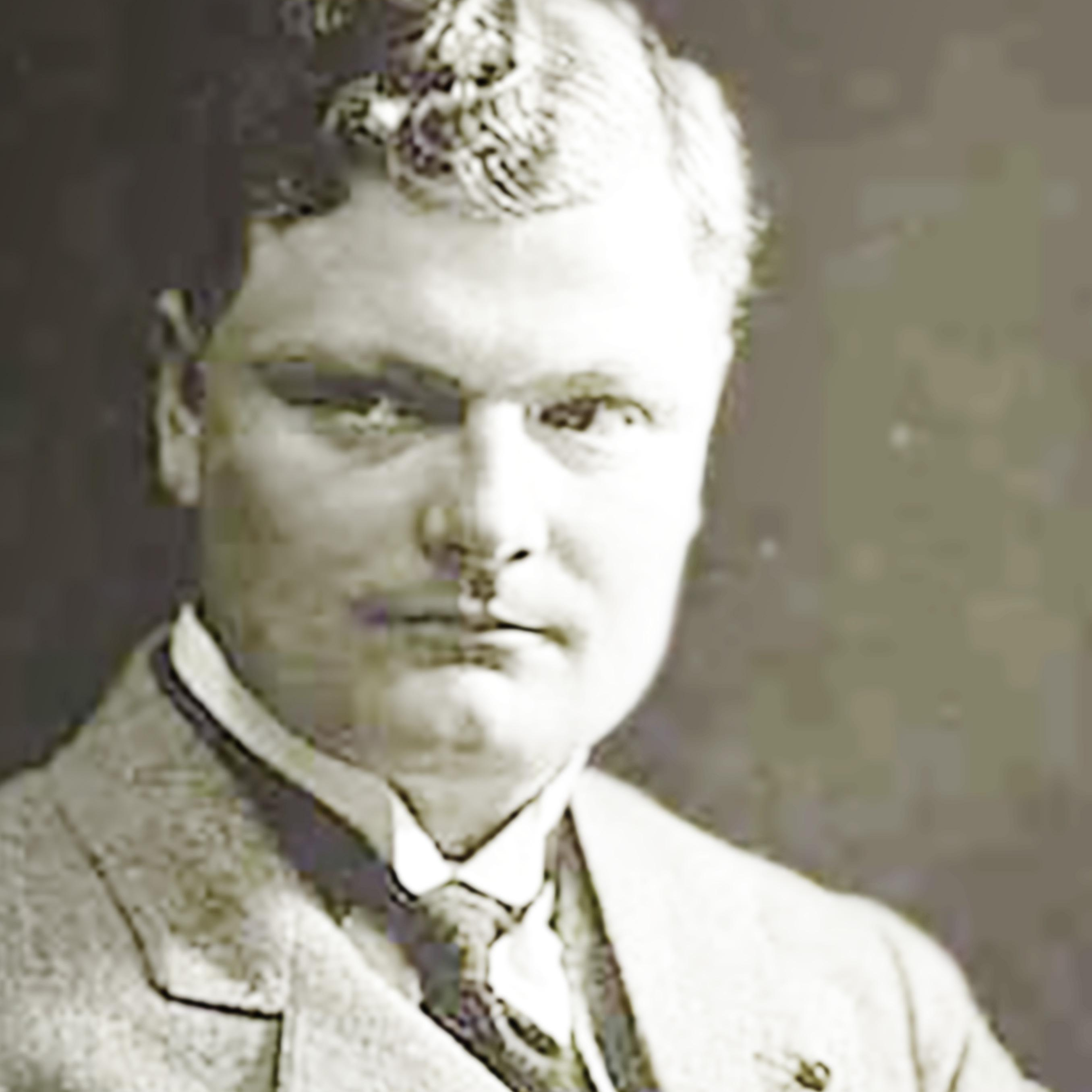
GUSTAV HELSTED (1857–1924)
Danish organist, composer, and educator, Helsted served at Copenhagen’s Jesus Church and Cathedral and taught at the Royal Academy of Music. A co-founder of the Danish Concert Society and the Society of Tonal Artists, his compositions include symphonies, concertos, chamber works, and choral music.
CONCERT 1 — CONCERT NOTES #1
We’re excited to share more about our opening concert of the 2025–26 Concert Series, A New Beginning. This week, we’re focusing on our extraordinary guest conductor Alan Truong, including his inspired arrangement of Mozart’s Quintet for Piano and Winds, and the work of young, local composer Ealaph Tabbaa.
At Ensemble Monterey, we love giving our audience a deeper look at the music and musicians before each concert, and we hope this background adds to your enjoyment. We’re thrilled to kick off the season and can’t wait to see you in Monterey and Santa Cruz for this first performance—please note the Santa Cruz 8:00 PM start time, the only concert in our series at this later hour. We usually start at 7 pm.
Next week, we’ll continue our pre-concert spotlight with more about Britten’s Sinfonietta and Helsted’s Decet.
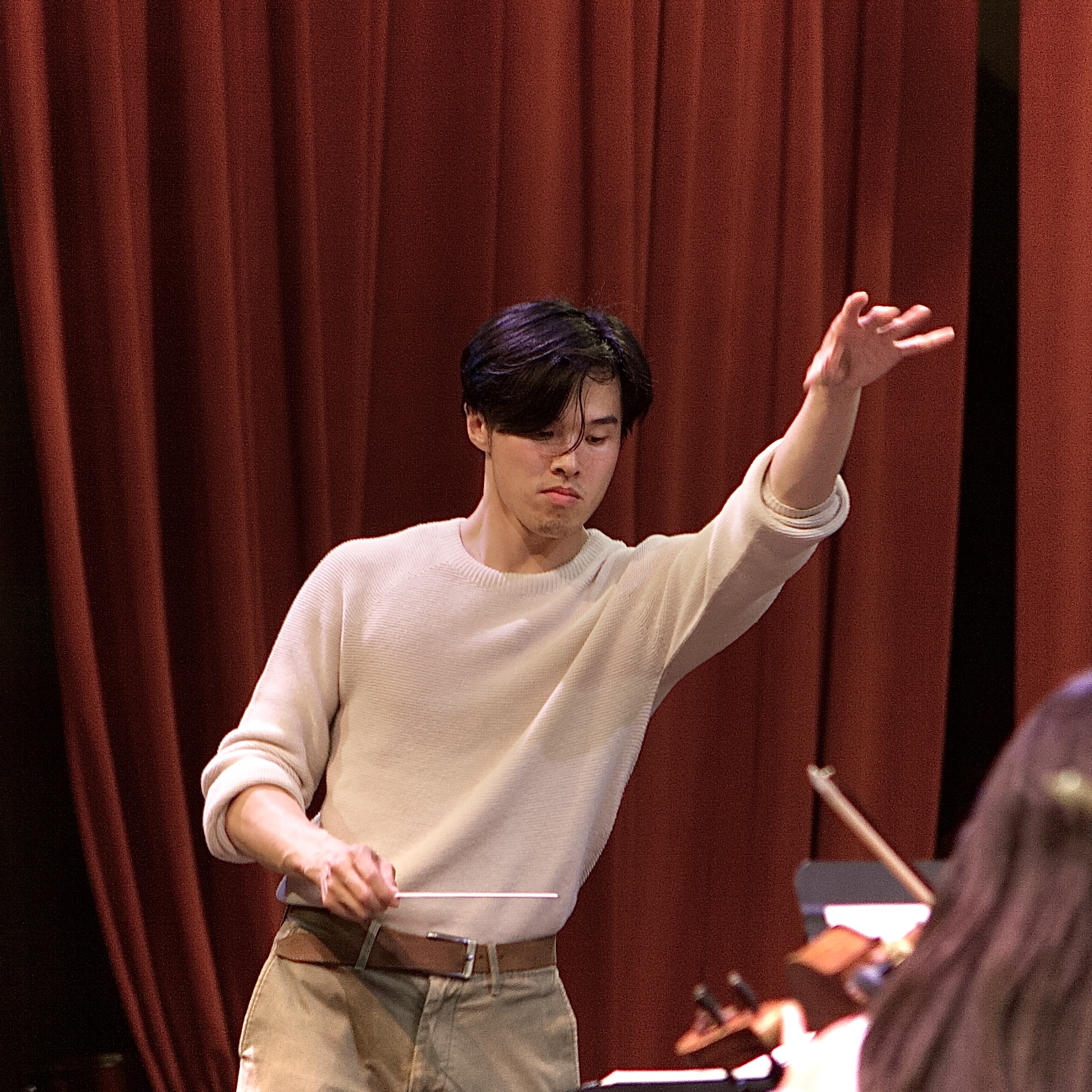
Guest Conductor Alan Truong
Ensemble Monterey is delighted to welcome the talented young conductor Alan Truong for this season’s opening concert. Known for his expressive insight and collaborative approach, Truong brings both energy and sensitivity to the ensemble, drawing out the nuance, texture, and clarity of each work. Under his direction, the concert moves seamlessly between contrasting styles and eras—from Mozart’s elegant dialogue between voices, to Tabbaa’s evocative meditation on a Lebanese melody, to Helsted’s lush romantic Decet, and Britten’s youthful but sophisticated Sinfonietta. Throughout, Truong highlights the distinctive color and interplay of each ensemble, guiding listeners through each work’s expressive arc and inviting audiences to experience both the technical brilliance and emotional resonance of this diverse program.
Alan Truong is a young conductor celebrated for his expressive musicianship and collaborative approach. A graduate of the San Francisco Conservatory of Music, he has conducted ensembles throughout California, championing both classical repertoire and contemporary works. Truong is known for drawing out clarity, nuance, and color in performances, particularly in programs featuring winds and strings.
WOLFGANG AMADEUS MOZART
Quintet for Piano and Winds in E-flat major, K. 452
Mozart composed the Quintet for Piano and Winds, K. 452 in 1784, writing to his father, “I myself believe it to be the best thing I have written in my life.” Positioned chronologically between his Piano Concertos No. 16 and 17, the work bears the hallmarks of a concerto: the piano takes a prominent, virtuosic role while the winds provide a dynamic and intricate dialogue. Indeed, the piece exemplifies Mozart’s genius in balancing the piano’s brilliance with the distinctive voices of the wind quartet, which, at moments, even seize the spotlight with a cadenza in the final Rondo.
The version performed here, arranged by Alan Truong, retains the wind parts while assigning the piano material to a string quintet. This innovative adaptation highlights the textural interplay between winds and strings, offering a fresh perspective on one of Mozart’s most celebrated chamber works. The arrangement also complements the program’s exploration of ensembles combining strings and winds, providing both contrast and continuity within the concert’s repertoire.
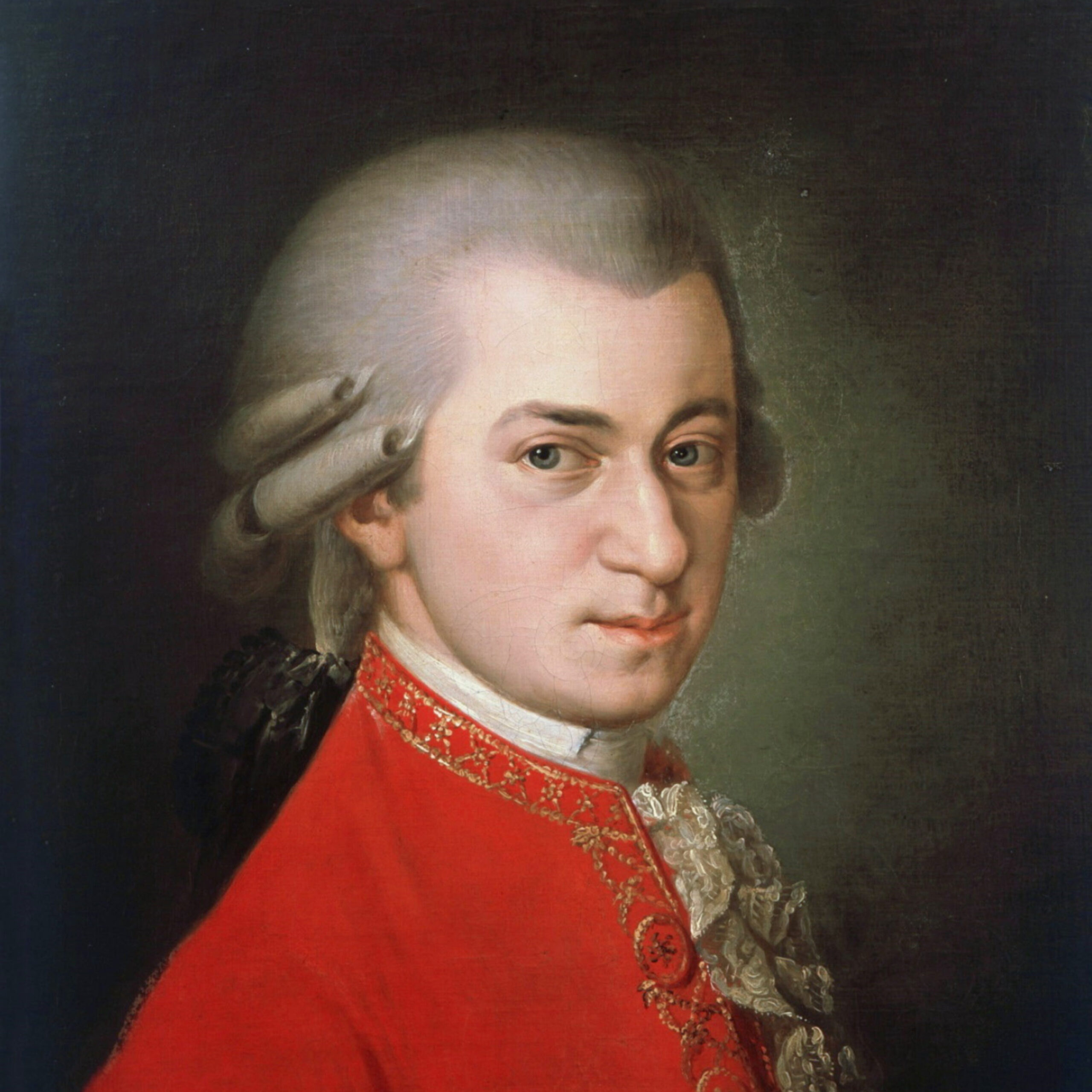
Wolfgang Amadeus Mozart (1756–1791) — Austrian composer and pianist, Mozart was a child prodigy whose prolific output includes symphonies, operas, concertos, and chamber music. Works like the Quintet for Piano and Winds, K. 452, showcase his technical mastery, melodic brilliance, and expressive depth.
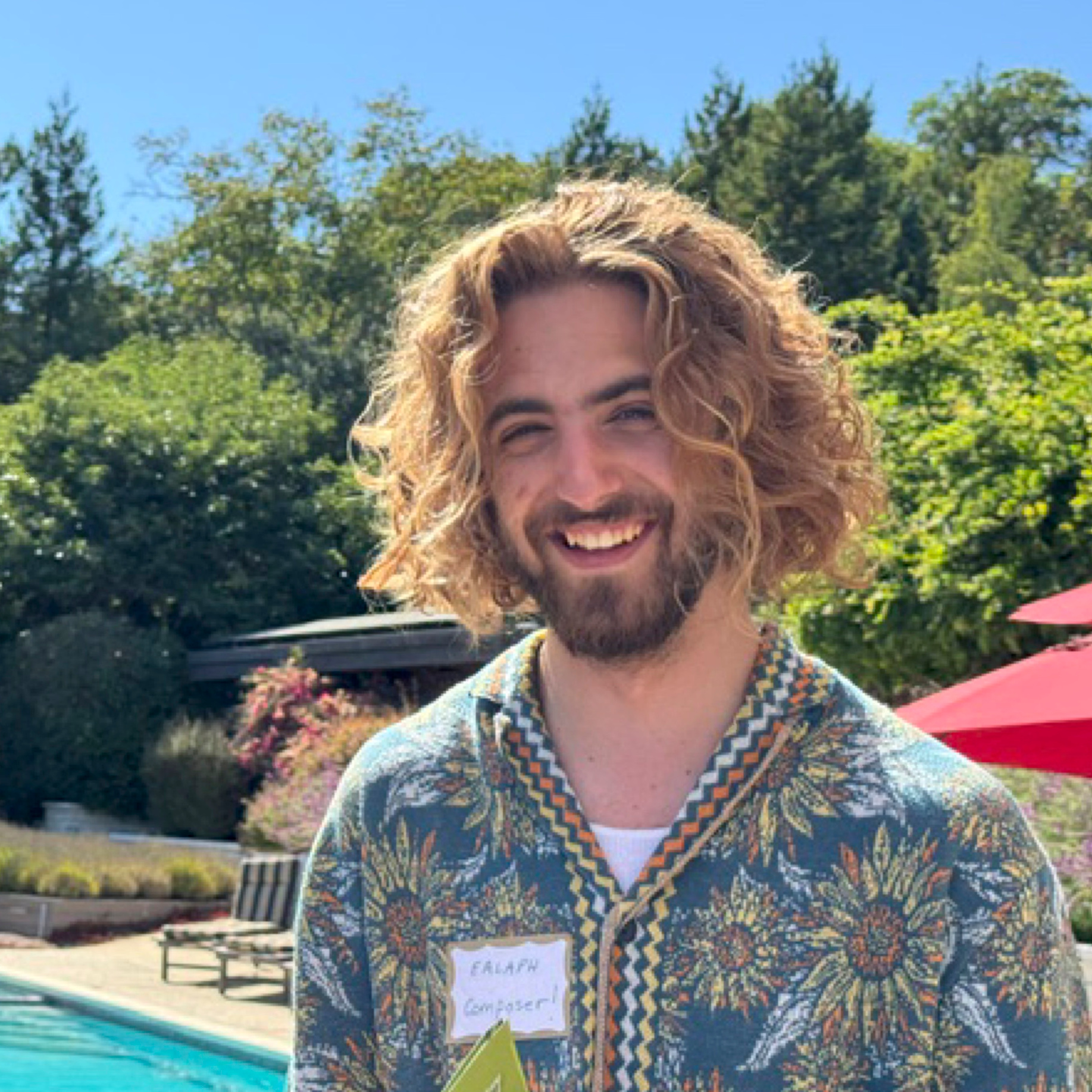
EALAPH TABBAA
Meditation on a Theme by Mitri el-Murr
In his own words, Ealaph Tabbaa’s 2025 Meditation on a Theme by Mitri el-Murr is both an arrangement and a transformation of the traditional Lebanese song Ya Laure Hoboki. Originally composed by Mitri el-Murr and popularized through the legendary recordings of the singer Fairouz, the melody left a lasting impression on Tabbaa as a child, recalling afternoons listening to his father’s cassette player. In the opening of the piece, the original tune is presented with minimal alteration, allowed to shine on its own like a jewel set within a crown.
Soon, however, the work moves into a more personal sound world, where Tabbaa transforms and expands upon the original material. Although the title suggests serenity, the composition instead explores the tension and inner struggle that can accompany the search for spiritual insight. Through shifting textures, harmonic complexity, and carefully sculpted melodic fragments, Tabbaa invites listeners into a meditative space that is at once contemplative, turbulent, and deeply expressive.
Ealaph Tabbaa (born 2001) — Syrian-American composer and performer, Tabbaa blends Middle Eastern folk traditions with contemporary classical music. He holds a bachelor’s degree in Music Composition and Bassoon Performance from the University of the Pacific and is pursuing graduate studies at the Manhattan School of Music.
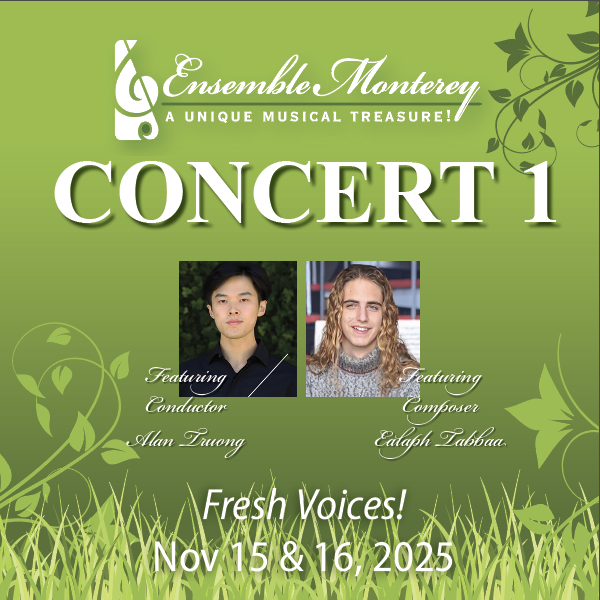
CONCERT 1 — FRESH VOICES
The wait is over — our 2025–26 season is about to begin! Join us for Fresh Voices!, a vibrant and inspiring concert that launches the season in true Ensemble Monterey style.
We’re thrilled to introduce our extraordinary young guest conductor, Alan Truong, who brings dynamic energy and a fresh perspective to this exciting program.
Concert Highlights
This colorful mix of music for winds and strings includes:
- Britten’s Sinfonietta, written when the composer was just 18 — full of color and youthful brilliance.
- Meditation on a Theme by Mitri el-Murr, a mysterious and evocative new work by young, local composer Ealaph Tabbaa.
- Mozart’s Quintet in E-flat major, K. 452, newly arranged for this performance by Maestro Truong.
- Gustav Helsted’s Decet, a recently rediscovered Romantic gem that’s both lush and lyrical.
Concert Dates:
- Saturday, November 15 at 7:00 PM — First Presbyterian Church, 501 El Dorado, Monterey
- Sunday, November 16 at 8:00 PM — Messiah Lutheran Church, 801 High Street, Santa Cruz
Tickets are on sale now! Please join us as we gather with our friends and neighbors to share incredible music!
Get Your Tickets today and be part of the excitement as we open another unforgettable season together. We can’t wait to see you there!
Stay tuned for more concert notes in the weeks leading up to our first concert!
In early October 2025, our Board President, Erica Horn, was able to sit down with our young guest conductor, Alan Troung. They talked about his life in music from his earliest years until now. We thought you all might like to get to know him a little bit as well. You will get to meet him in person and see him in action at concert 1, Fresh Voices, on November 15th and 16th, and concert 4, Shimmering Strings, on April 11th and 12th of 2026!
Please enjoy the interview below, or click here for a pdf.
Our Board President, Erica Horn, interviews conductor Alan Truong
Erica Horn: Hi Alan.
Alan Truong: Hello Erica.
EH: I’m glad we could find time to do this interview.
AT: Me too! A whole lot is going on around here musically, which is encouraging.
EH: You are in demand these days, it seems. Congratulations!
AT: Thank you, and what better place to be busy than where I grew up!
EH: Your opportunities are coming at such a young age. Have you always been a musical person?
AT: Yes, as my dad always likes to remind me. In my Chinese heritage, we have this tradition where we place objects in front of a crawling-aged baby. It’s a sort of fortune-telling process not unlike oracle bone divination, where a child reveals a piece of their career destiny to their parents, depending on which object they gravitate towards. In my case, the objects were a basketball, a book, and a microphone. As one can imagine, I nearly jumped for the microphone. It might have to do with my parents’ affinity for karaoke, but my earliest musical memories are of the Golden Era Hong Kong pop songs that they would sing.
EH: Was singing your first musical endeavor?
AT: Not in any serious way, but at age 5, my parents – being the sensible parents they were – started me on piano lessons. My cousin was my first teacher, around 8 years older than me. I get the sense that she is a patient person, but me being the active kid I was, we didn’t get past 2 lessons.
EH: Not surprising, being that she was only a kid, too.
AT: Right.. I didn’t love practicing, but I recall distinctly a moment where I played a C major scale on the white keys. I then tried it again, all white notes, but starting on G. When I got to that penultimate note, the curiosity began to strangle me. Why does that sound so weird? Music theory aside, that moment probably nurtured within me an interest in the way music is put together. It lives with me to this day as a conductor.
EH: That is fascinating that at such a tender age, you noticed such a thing! So what became of the piano afterwards?
AT: My parents got me a proper piano teacher until age 9. I stopped piano then due to some difficulty affording lessons. It was 2008, by the way, if that gives you a sense of how the world was.
EH: To stop music lessons at such a formative time, that could have waylaid the average person from their interest in music. What brought you back?
AT: I actually never stopped being into music despite a lack of formal training. For the next 3 years, music wasn’t pedagogically in my life, but all the music that I heard was living inside my head. I became aware of things like mainstream pop music, oldies from my godfather’s radio, and just about every other source of repeated musical stimulation. At some point around 11, I found the piano again after hearing a piano riff in the music I was listening to at the time.
EH: I love that. Your brain was still learning about music and processing the vast array of music around you. How did you return to formal training?
AT: I was really exposed to classical music through Youth Orchestra of Salinas, YOSAL. My 6th grade teacher had asked the class if anybody would be interested in going to “music classes,” which in hindsight could have meant anything from learning Rock and Roll to Indian Carnatic percussion. I said yes, got on a bus after school, and was bused over to Sherwood Hall, where YOSAL happened. I should qualify that I didn’t know what the program even was until I got there, even though orchestra was in the name. Being the tuition-free program that it was and still is, the accessibility to music there was a game-changer.
EH: How did that training start out?
AT: I left the first day with a recorder in hand, and it was a brand new world of discovery. There was so much music in my head that I wanted to express in tones. I got mad every time I ran out of notes on the instrument. I was “discovering” experimental fingerings and finding my way around the recorder just because I couldn’t wait until the instructor taught us the next note.
EH: I can imagine that scenario. How did the recorder lead you to where you went next?
AT: At YOSAL, I stumbled around on several instruments. I was first a violist (which my temperament didn’t match at the time), then a clarinetist (which I played throughout high school in pep and marching bands), and finally, I met the one. The bassoon. The instructors lured me in the same way that all instructors seduce a student onto an instrument as cumbersome to carry around as a bassoon.
They said, “It’s a scholarship instrument!” This was exactly my experience. The part they don’t mention is that you actually have to do a bassoon degree. I liked the challenge, however. It was really fun being the only bassoonist in the orchestra and playing a role around my high woodwind colleagues that was so unique from theirs.
As I was starting, they even brought in the late, great Jane Orzel to work with me through the beginning stages.
EH: Jane Orzel! She was one of ours in Ensemble Monterey and most beloved by all who knew her. As a clarinetist, I got to sit next to her all the time. I recall getting in trouble more than once for giggling like schoolgirls in rehearsal. (My apologies to John Anderson.) I miss her greatly. What a wonderful advantage that was for a young bassoonist! It sounds like YOSAL really took care of you.
AT: They absolutely did, and I’ve tried to give back to them as much as I can. Since joining YOSAL, I’ve had a lifelong relationship extending to now. I played with them throughout most of high school, then started volunteering as a sort of student-mentor in my junior and senior years. In college, I’d come back to teach in the summers, and became a teaching artist during a gap year between undergraduate and grad school. Most recently, after my time at Juilliard, my first job was as their Fellowship Coordinator, where I mentored aspiring Music Educators in the area. There has been no shortage of meaningful time there.
EH: That is very touching. Community building in action. It’s great to hear that it’s a bit of a full circle. What did you have going on musically besides YOSAL?
AT: In the middle of 8th grade, I became aware of a different youth orchestra in Monterey County. This was Youth Music Monterey, and my first exposure to them was getting invited to a rehearsal in which they were playing the first movement of Dvořák’s 9th Symphony with Farkhad Khudyev at the helm. I was utterly blown away! The level was like nothing I’d seen before. I became so excited that I auditioned immediately. I remember that I didn’t even bring a solo piece to the audition as per their requirements, but Farkhad was very kind to me in the audition and gave me a chance.
The experience there was different from any musical setting I’d been in before. There was this sense of focus and care about making music together that really stuck with me.
I played with them until I went off to college. It was also the place where I first conducted an orchestra, not to mention the lifelong mentor I gained in Farkhad, who still checks in on me. The essence of committed music making is what I take away most from here.
EH: And now you are music director for Youth Music Monterey! Another full circle!
AT: And I can give that committed music making back!
EH: After high school, you went to the famed liberal arts college, Oberlin, in Ohio.
AT: I did! I had to have been the most excited 17-year-old kid going to Oberlin. Here I was, coming from relatively small Monterey County, moving halfway across the country to Oberlin, Ohio, where I studied among peers who were talented out of their minds from hyper-competitive, metropolitan areas like Chicago, Texas, LA, the works. At this point, I was really set on becoming a conductor; however, my desire to do it far exceeded my training and my skills.
EH: And you were a bassoon major at Oberlin?
AT: They didn’t offer a conducting degree for undergrads, so yes, I was a bassoon major. I studied bassoon with Drew Pattison and spent more time making reeds than anything else.
EH: That is not surprising at all. The bane of the existence of the double reed player! That’s not something they tell you about when they coax you over to play it. How did conducting come into play?
AT: I inched my way into the purview of the conducting faculty, Raphael Jimenez and Tim Weiss, who were actually very good about making sure that I was developing as a musician through the bassoon instead of something as abstract as conducting.
Little by little, I got more opportunities. They would have me sit in on orchestra rehearsals. Nothing is more vindicating to a young conductor than the person on the podium looking back at you and asking, “Can you hear the horns here?”
I craved hands-on experience and became the conductor of a student-run group called the Oberlin String Orchestra. We put together ad-hoc concerts throughout the year.
EH: Then you did your graduate work in conducting.
AT: It didn’t happen right away. At the end of my time at Oberlin, I applied for 5 or 6 graduate conducting programs at the peak of the pandemic, and failed spectacularly! My world was falling apart at not being able to get into a single school.
EH: Failure is just a growth opportunity in disguise.
AT: Indeed. I came home that summer and went back to the Youth Orchestra of Salinas. Little did I know, the years you spend away from musical institutions are the years where the most growth happens. It wasn’t about a degree anymore; it was about growth as a human being. That’s what really feeds one’s musical soul.
I tried auditioning again for conducting schools the following year and had better luck, landing myself a spot at the Juilliard School, where I became a student of David Robertson. Everything started moving really quickly here. I was packed with assistant-conductor duties, recitals, and masterclasses on the weekly. I was able to become exposed to so many scores and conducting situations. In one extreme example, I had to step in and conduct a concert of brand new music on 48 hours’ notice. It was quite overwhelming, but life-affirming after the fact.
EH: Sounds harrowing and thrilling! Since completing your studies there, what sticks with you from that time?
AT: The mind of my conducting teacher, David Robertson, was of infinite wisdom. But what I carry with me the most is a quote from the composer Robert Schumann that he would always find a way to wriggle into our sessions together. “Es ist des Lernens kein Ende.” That is, there is no end to learning. A necessary revelation in the egoistic world of conducting. Like this quote, worlds could be distilled into simple phrases, and my understanding of these words continuously evolves as I grow.
EH: It must have been a heady time of learning, being surrounded by a lot of inspiring people.
AT: One of the wildest moments from that year was working with the composer John Adams (who I hold in higher regard than the founding father at this point) when he came to conduct a concert of Beethoven, Debussy, and his concerto for String Quartet and Orchestra, “Absolute Jest.” In the dress rehearsal, he let me conduct a bit in David Geffen Hall during the dress rehearsal, an exciting trip across the street from Juilliard to where the NY Phil plays. Unbeknownst to me, an artistic administrator happened to be backstage and saw me conduct. A few weeks later, I’d received an email from the New York Philharmonic, asking me to cover conduct one of their future concerts!
EH: Very impressive! We are so excited to welcome you to our season this year! What has it been like to be welcomed home with such appreciation!
AT: The entirety of the musical sphere in Monterey County has shown me in the past year the true definition of “taking care of your own.” Not just when they’re beginning, but for their entire musical lives. The opportunities to be a musician and conductor here at home are a testament to the vigor of our musical community. Personally, I’m just happy that I can participate in and help perpetuate the music scene at home, whether it is as a conductor, bassoonist, or educator. Music is alive and well here, and I can’t imagine a better place to be making music than in the place closest to my heart.
EH: Thank you so much for taking the time to share this with us!
AT: My pleasure!
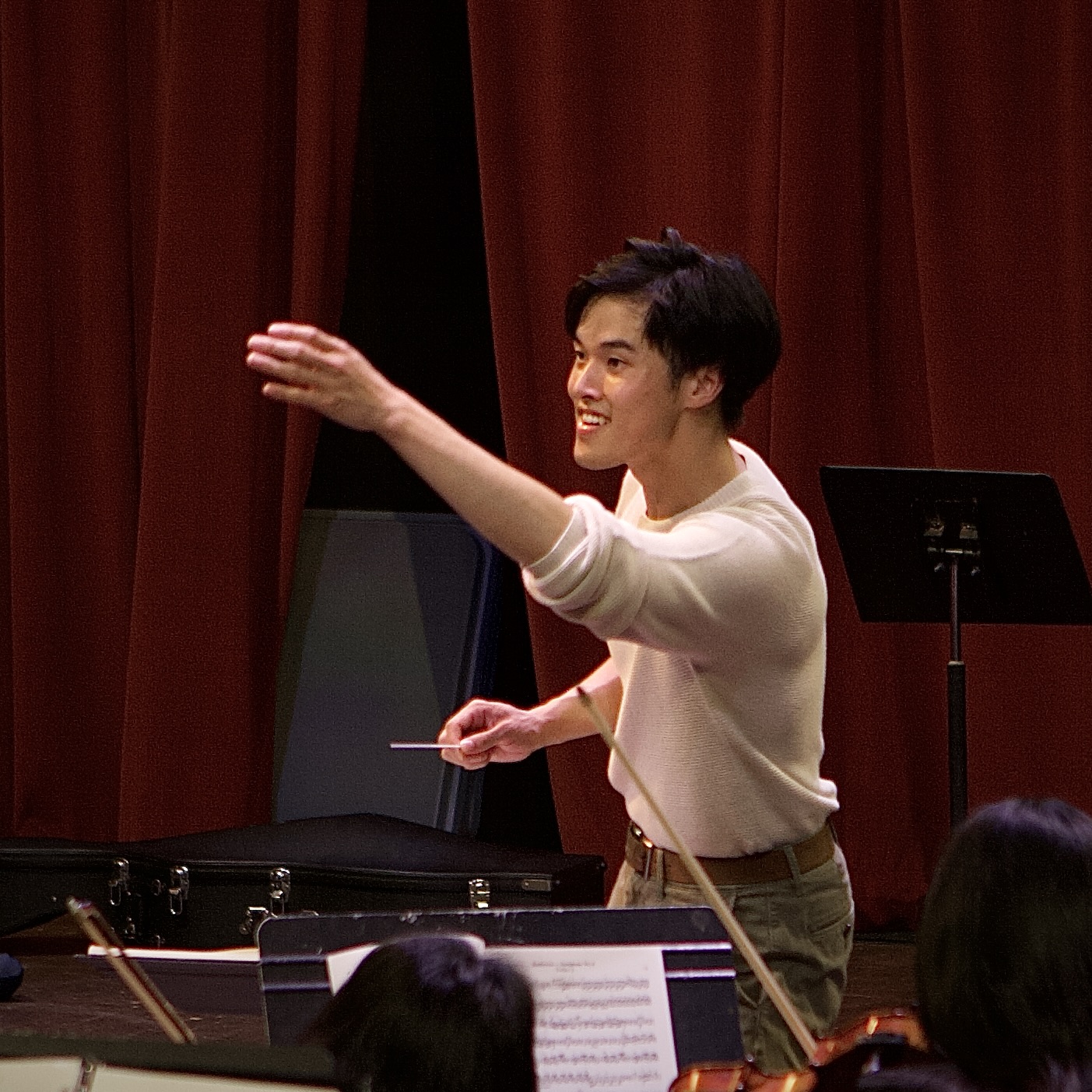
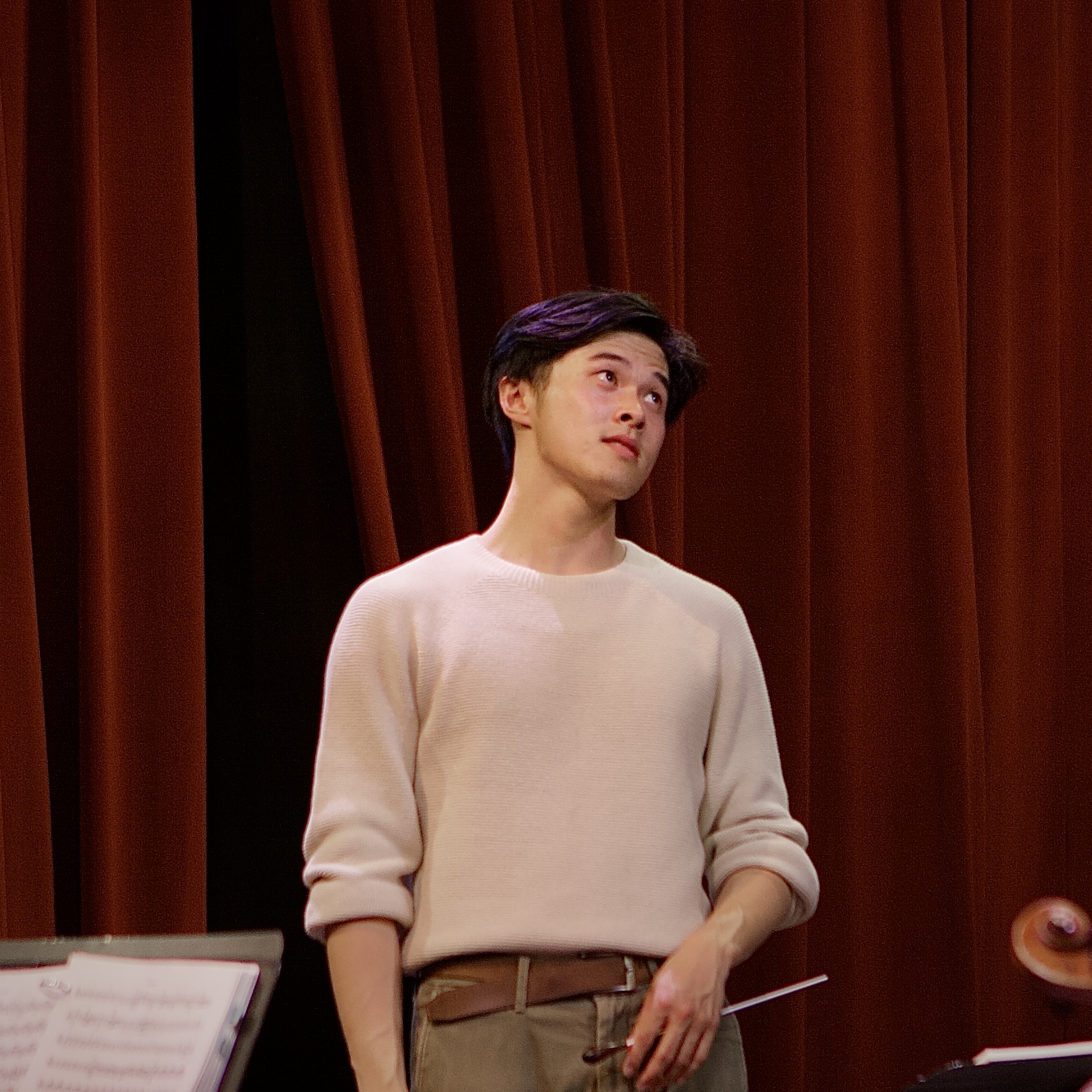
Photos by Erica Horn
Ensemble Monterey announces 2025–2026 Concert Season:
A Journey of Discovery, Beauty, and Celebration
Ensemble Monterey is delighted to announce its 2025–2026 Concert Season—A New Beginning, a dynamic series of four programs that will take audiences on an unforgettable journey through timeless masterpieces, exciting premieres, and radiant soundscapes.
Performances will take place in both Monterey and Santa Cruz, welcoming audiences into a season of discovery, beauty, and joy in chamber music.
This season also marks a new chapter of leadership, with Erica Horn beginning her tenure as Board President alongside fellow musician and board member Peter Lemberg, who has played a central role in season planning.
This year’s programs promise both timeless beauty and fresh surprises. Audiences can look forward to masterworks by Bach, Britten, Janáček, Mozart, Pärt, Prokofiev, and Schubert, as well as the ensemble’s hallmark spirit of discovery through rarely heard treasures.
In addition to its concert offerings, Ensemble Monterey is expanding its commitment to music education and the next generation of musicians. The upcoming season will feature new initiatives designed to support young talent and engage students more deeply in the artistic life of the community.
With bold programming, outstanding musicianship, and a renewed dedication to education, Ensemble Monterey’s 2025–26 season continues its tradition of inspiring audiences and championing the transformative power of live music.
Concert 1: Fresh Voices!
Saturday, November 15, 2025 – 7:00 pm | Sunday, November 16, 2025 – 8:00 pm
The season opens with Fresh Voices!, celebrating vibrant talent and captivating music. Rising young guest conductor Alan Truong leads a program featuring Britten’s colorful Sinfonietta, the premiere of Meditation on a Theme by Mitri el-Murr by local composer Ealaph Tabbaa, a special arrangement of Mozart’s Quintet in E-flat Major, K. 452, and the rediscovery of Gustav Helsted’s romantic gem Dezett.
Concert 2: Long-Awaited Favorites!
Saturday, January 31, 2026 – 7:00 pm | Sunday, February 1, 2026 – 7:00 pm
This long-awaited program celebrates works beloved by musicians and audiences alike. The evening includes Rezso Kókai’s spirited Quartettino, Malcolm Arnold’s charming Oboe Quartet, Op. 61, Sergei Prokofiev’s dynamic Quintet in G minor, Op. 39, and Ruth Gipps’s richly expressive Quintet for Oboe, Clarinet, and String Trio, Op. 16.
Concert 3: Romantic Ideals!
Saturday, March 7, 2026 – 7:00 pm | Sunday, March 8, 2026 – 7:00 pm
The third program spans centuries, from the elegance of the Baroque to today’s fresh voices. The concert opens with Dvořák’s graceful Bagatelles for Two Violins, Cello, and Piano, Op. 47. Local favorite soprano Lori Schulman joins to perform two works by Pulitzer Prize–winning composer Caroline Shaw, as well as Bach’s radiant Wedding Cantata with oboist Peter Lemberg. The program concludes with Schubert’s beloved “Trout” Quintet, D. 667.
Concert 4: Shimmering Strings!
Saturday, April 11, 2026 – 7:00 pm | Sunday, April 12, 2026 – 7:00 pm
The season finale, Shimmering Strings!, welcomes guest conductor Alan Truong back to the podium to lead a radiant program for string orchestra and percussion. The concert features Arnold Schönberg’s lush Verklärte Nacht, Op. 4, Leoš Janáček’s colorful Suite for Strings, Arvo Pärt’s profound Cantus in Memoriam Benjamin Britten, and concludes with Samuel Coleridge-Taylor’s joyful Four Novelettes, Op. 52.
Your gift helps Ensemble Monterey share the power and beauty of live orchestral music with our entire community. Music uplifts, connects, and inspires us all—it sparks creativity, brings joy, and reminds us what it means to be human.
Every donation helps keep this essential art form alive and thriving on the Central Coast. Together, we can make sure the music never stops.